Cubic zirconia has become one of the most popular gemstone alternatives in modern jewellery. Often thought of simply as a “diamond simulant,” this synthetic stone actually has its own unique qualities and appeal. For anyone curious about cubic zirconia – understanding what it is, how it compares to other gems like natural diamonds, lab grown diamonds and moissanite, and how to care for it can be incredibly useful. This guide will provide an in-depth look at cubic zirconia, covering its origins and composition, comparisons with other gemstones, tips for care and maintenance, how to identify a genuine CZ, and the ethical and environmental considerations of choosing cubic zirconia.
What is Cubic Zirconia?
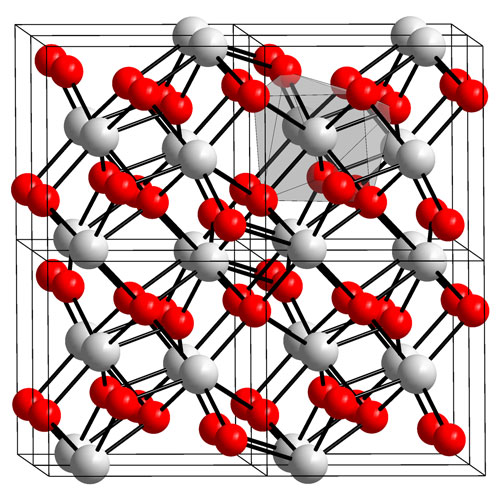
Cubic zirconia is the cubic crystalline form of zirconium dioxide (ZrO₂). In simple terms, it’s a man-made gemstone grown in laboratories, and it’s valued for its striking resemblance to a diamond. Cubic zirconia is usually colourless and optically flawless, meaning it has no visible inclusions or blemishes – something even the best natural diamonds rarely achieve. It’s important not to confuse cubic zirconia with the natural gemstone zircon, which is a different mineral (zirconium silicate). CZ is sometimes erroneously called “cubic zirconium,” but the correct name is cubic zirconia (zirconia refers to the oxide compound).
Origins and history:
Interestingly, cubic zirconia was first discovered in nature (in an extremely rare form) in 1937. Tiny crystals of cubic zirconium oxide were identified inside a mineral sample, but they were far too scarce to be of any use. It wasn’t until the 1970s that scientists in the Soviet Union developed a reliable method to grow cubic zirconia crystals in the lab. By 1976, cubic zirconia was being produced commercially as an affordable alternative to diamond. Early trade names for synthetic CZ included “Djevalite” and others, but it soon became widely known simply by its chemical name. The material took the jewellery world by storm in the late 1970s and 1980s, especially after companies like Swarovski (known for precision-cut crystals) began mass-producing high-quality CZ gems. Since then, cubic zirconia has established itself as a gorgeous gem in its own right, not only as a diamond simulant but also as a centrepiece for fashion jewellery of all colours.
Composition and properties:
As a crystalline form of zirconium oxide, cubic zirconia is created by heating powdered zirconium oxide to very high temperatures (around 2,500°C) and adding stabilising oxides like yttrium or calcium. These stabilisers are needed because pure zirconium oxide would normally solidify in a different crystal structure; with a bit of chemical tweaking, it solidifies in the cubic structure (hence “cubic” zirconia) which gives CZ its diamond-like optical properties. The result is a hard, transparent crystal. On the Mohs hardness scale, cubic zirconia ranks about 8 to 8.5. It’s harder than most natural gemstones (and certainly harder than glass), though not as hard as a diamond (diamonds are 10 on Mohs scale). CZ’s refractive index (~2.17) is high, which means it bends light almost as effectively as diamond does, producing excellent brilliance. It also has strong dispersion (around 0.06, higher than a diamond’s 0.044), which means it can create vivid “fire” – those flashes of rainbow colour when light passes through a faceted gem. In fact, a cubic zirconia can exhibit more colourful sparkle than a diamond, although sometimes this extra fire is a clue that it’s not a real diamond. CZ is also quite dense, about 1.6 times heavier than diamond for the same size; this can be a useful identifier, as we’ll discuss later.
Another remarkable feature is that cubic zirconia can be made in many colours. By adding certain metal oxides during production, manufacturers can create CZ stones that range from pink, yellow and blue to green, purple or even multicoloured. This means cubic zirconia isn’t limited to imitating colourless diamonds – it can imitate coloured diamonds or other gemstones, or just be a fun gemstone on its own. Whether clear or coloured, CZ is valued for its brilliance, affordability, and versatility, making it a staple in both costume jewellery and in fine jewellery settings.
Cubic zirconia vs natural diamonds
Diamonds have long been the standard by which other gemstones are judged, especially for engagement rings and valuable jewellery. Cubic zirconia, meanwhile, is best known as a substitute for a diamond. Let’s compare CZ and diamonds across several key factors to understand their differences and similarities:
Appearance:
At first glance, a well-cut cubic zirconia can look very similar to a diamond. Both can be brilliantly sparkly and colourless. However, on closer inspection, there are subtle differences. Diamonds tend to have a sharper, more intense sparkle with a balance of white light and coloured flashes. Cubic zirconia often displays more of a “rainbow” flash due to its higher dispersion – in some lights, CZ can throw off more colourful glints than a diamond would, which can appear slightly more artificial or “too sparkly” to a trained eye. Additionally, most natural diamonds have minor inclusions (tiny internal flaws) or a hint of body colour (many diamonds are not absolutely perfect D-grade colourless). A cubic zirconia, being lab-made, is usually internally flawless and completely colourless (equivalent to a perfect diamond). While that sounds great, this perfection can itself be a giveaway – a large stone with zero imperfections and no tint at all is likely to be CZ, since truly flawless, colourless natural diamonds are extraordinarily rare (and expensive). In summary, CZ delivers a bright, fiery sparkle similar to a diamond’s, but a diamond’s brilliance is often described as having more depth, and diamonds emit more white light relative to rainbow light. Under magnification, a professional might also note that facet edges on CZ might appear slightly rounder (because CZ is slightly softer, those edges might not stay as sharp when polished).
Durability:
One of the biggest practical differences is hardness and longevity. A diamond is the hardest natural material known (10 on Mohs scale), which means it resists scratching better than any other gemstone. Diamonds can be worn daily (for example, in engagement rings) and often last for generations, looking virtually unchanged if well cared for. Cubic zirconia, at 8 – 8.5 hardness, is still very hard – hard enough to scratch glass or be used in rings – but it will get microscratches and wear over time, especially if worn every day. These fine scratches can accumulate to make a CZ stone look a bit dull or “cloudy” after a couple of years of constant wear. (By contrast, a diamond would remain much more polished). CZ is also a more brittle material than diamond. While diamonds have perfect cleavage (meaning they can crack along certain planes if struck hard), they are generally very tough in everyday use; cubic zirconia has no cleavage but can chip or fracture more easily if it’s knocked against a hard surface. In practical terms, this means a cubic zirconia ring might not withstand decades of daily wear as well as a diamond ring would. Over time, the CZ might lose some of its initial sparkle unless it’s periodically re-polished or replaced. Thermal resistance also differs: diamonds are extremely good conductors of heat, which is why a real diamond doesn’t fog up easily when breathed on – moisture evaporates almost instantly. CZ, being a poorer heat conductor, will fog up for a few seconds when you breathe on it. This property is exploited by quick “diamond vs fake” tests. Overall, for durability, diamonds have the clear edge – they are more scratch-resistant and can truly last a lifetime or longer. Cubic zirconia is durable enough for regular jewellery, but one should expect that a well-used CZ might need replacing after some years if it gets too scratched or cloudy.
Cost:
The difference in cost between diamonds and cubic zirconia is enormous. Diamonds (especially natural diamonds) are among the most expensive gemstones on a per-carat basis. Their price depends on the “4 Cs” (carat, cut, colour, clarity), and a one-carat diamond of good quality can cost thousands of pounds. Cubic zirconia, on the other hand, is remarkably affordable. It can be mass-produced in a lab at a tiny fraction of the cost of mining and cutting a diamond. A one-carat cubic zirconia might cost only a few pounds or dollars. In many fashion jewellery pieces, the cost of a CZ stone is so low that most of the price you pay is actually for the metal setting or the brand, not the stone itself. This low cost means you can get a very large CZ for the price of a very small diamond. For example, an entire tennis bracelet full of sparkling CZs will be far cheaper than the same design with even modest-quality diamonds. However, with diamonds you are partly paying for rarity and prestige – they have resale value and enduring perceived value, whereas cubic zirconia has little to no resale value (a pre-owned CZ is not something gem dealers trade in, because new CZs are so cheap). So, if you’re budget-conscious or just want a big look for less, CZ is the clear winner in cost. But if you’re looking at jewellery as an investment or heirloom, diamonds hold value in a way cubic zirconia does not.
Ethical considerations:
This is an area where cubic zirconia often shines (figuratively speaking) in comparison to natural diamonds. Natural diamonds, especially historically, have been associated with ethical problems – the most infamous being “blood diamonds” or conflict diamonds that were mined in war zones and sold to finance armed conflict. Even outside conflict zones, diamond mining can involve hazardous working conditions and environmental degradation. The industry has made improvements with certification schemes and ethically sourced diamonds, and there are also lab-grown diamonds now that offer a conflict-free alternative. However, it remains true that a natural diamond comes from heavy mining operations by large companies, often leaving a significant environmental footprint. Cubic zirconia, by contrast, is manufactured in a lab, usually in a straightforward and safe industrial process. There’s no mining of earth, no armed conflicts linked to CZ, and minimal social issues – factory working conditions aside, which are generally standard for manufacturing. In choosing cubic zirconia, buyers can be confident they are not supporting mining conflicts or harmful labour practices. Environmentally, producing CZ in a lab uses energy (to maintain the high temperatures required) but it’s relatively efficient and clean compared to digging massive mines for diamonds. In short, CZ is 100% conflict-free and guilt-free. That said, ethically sourced diamonds and lab-grown diamonds also address these concerns, but they come at a much higher price. Many consumers who are uncomfortable with the diamond industry’s past (or its pricing) find cubic zirconia to be an attractive, principled choice that doesn’t compromise on the look of the jewellery.
Cubic zirconia vs moissanite
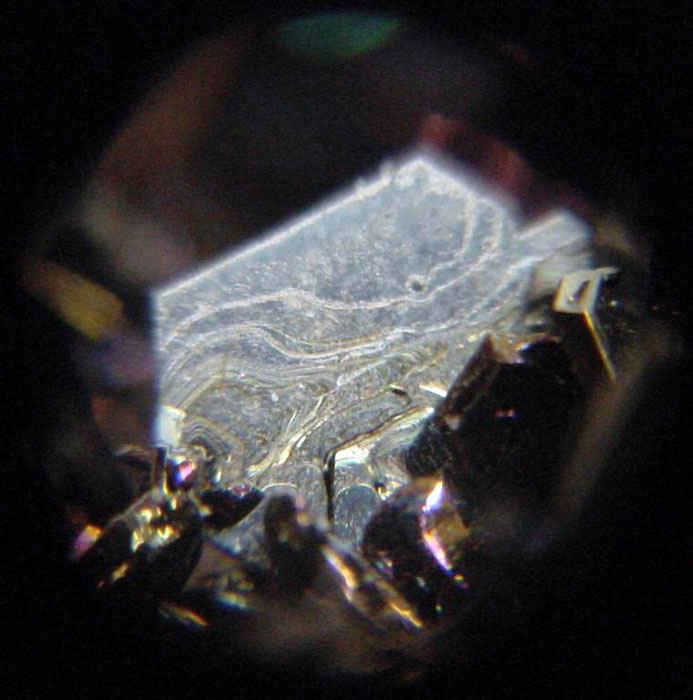
Moissanite has emerged in recent years as another leading diamond alternative. Like CZ, it’s lab-created (for jewellery use) and often chosen for engagement rings and fine jewellery as a substitute for diamond. However, moissanite is a different gemstone with its own properties. Let’s compare moissanite and cubic zirconia:.
Appearance:
Moissanite (chemically silicon carbide) and cubic zirconia can look similar in that both are brilliant, clear stones when cut well. However, moissanite’s optical properties give it a distinctive sparkle. Moissanite has a higher refractive index than CZ (even higher than diamond’s), and it is doubly refractive – meaning that as light passes through it, the stone effectively splits images, causing a double-image of facets when viewed closely. In practical terms, a moissanite tends to emit a tremendous amount of brilliance and fire, sometimes described as a “disco ball” effect under certain lights. You’ll often notice moissanite throwing off very vivid rainbow flashes; even more so than CZ does. Cubic zirconia also has fire, but moissanite’s fire is typically stronger. Some people love this extra liveliness, while others feel it can give moissanite away as “not a diamond” because real diamonds, though fiery, are a bit more subdued. In terms of colour, both CZ and moissanite in jewellery are usually sold as colourless or near-colourless stones (comparable to top-grade diamond colour). Early moissanite gems sometimes had a faint yellow or grey tinge, but modern techniques have produced moissanites that are virtually colourless to the eye. Cubic zirconia is generally completely colourless as well, although lower-quality CZ may appear a little white or flat in certain lights. Under magnification or a jeweller’s loupe, you could distinguish the two: moissanite’s double refraction means you might see a doubling of the back facets when peering through the stone, whereas cubic zirconia (singly refractive, like diamond) will not show that doubling. In summary, both stones can convincingly mimic a diamond’s look, especially to an untrained observer. Moissanite’s superior brilliance and fire make it notably dazzling – some would say even more brilliant than a diamond of the same cut – whereas cubic zirconia offers a closer approximation to a diamond’s balanced sparkle but with a tad extra fire.
Durability:
When it comes to hardness and longevity, moissanite is harder and more durable than cubic zirconia. Moissanite ranks about 9.25 on the Mohs scale, placing it just below diamond in hardness. This means moissanite is extremely resistant to scratching – only a diamond (or a few exotic materials like boron nitride) would be capable of scratching it. Cubic zirconia, at 8 – 8.5, while hard, will scratch more easily over time. For jewellery that’s worn daily (like an engagement ring), moissanite will maintain its polish and clarity much longer than CZ. Moissanite is also a very tough stone; it doesn’t have the pronounced cleavage planes that diamond does, and it’s less brittle than CZ. It can withstand knocks and accidental bumps quite well without chipping. Cubic zirconia, as mentioned earlier, can eventually abraid or even chip if hit hard. In practical terms, a moissanite engagement ring can be worn every day and still look brilliant years down the line, whereas a cubic zirconia in the same situation might start to look a bit worn and could require replacing of the stone after a couple of years if the damage is noticeable. If you’re looking for something with near-diamond durability but at lower cost, moissanite has the advantage over CZ. However, for occasional-wear jewellery or pieces that you’re happy to maintain or replace the stones every so often, CZ’s durability is usually sufficient.
Cost:
Moissanite is generally more expensive than cubic zirconia, but still far cheaper than natural diamonds. The price of moissanite depends on size and quality, but as a rough idea, a one-carat moissanite might be a few hundred pounds (or dollars). In contrast, a one-carat cubic zirconia could be under £20 (and often just a few pounds). The reason for the difference is partly the complexity and cost of producing the material – silicon carbide crystals (moissanite) are grown with specialist processes and were once limited by patents (Charles & Colvard held early patents and priced moissanite accordingly). Cubic zirconia is simpler and cheaper to produce in large quantities. Also, moissanite has positioned itself in the market as a premium diamond alternative, whereas CZ is seen as an ultra-economical simulant. In any case, both are much more affordable than diamonds. If you’re on a tight budget or need a placeholder ring stone, CZ is the lowest cost option by far. If you have a bit more to spend and want a stone that will last longer and give arguably an even more dazzling sparkle, moissanite might be worth the extra cost. It’s a kind of middle-ground: more investment than CZ, but you get more longevity and prestige (moissanite is often marketed as a luxury alternative, whereas CZ has a bit of a “cheap” reputation even if it’s beautiful). It’s also worth noting that moissanite, being costlier, is usually set in better quality jewellery settings (gold, platinum) when you buy from jewellers, whereas cubic zirconia is commonly found in everything from silver and plated settings up to gold – spanning both fashion jewellery and some fine jewellery.
Ethical factors:
Both moissanite and cubic zirconia are lab-created gems and are regarded as ethically sourced. Neither involves destructive mining or conflict zones. For consumers concerned about origin, moissanite and CZ offer peace of mind that your sparkling stone isn’t tied to human rights issues. The production of moissanite and CZ does consume energy, but relative to the impact of mining natural gemstones, their environmental footprint is smaller. In terms of social impact, buying a moissanite or CZ supports technological manufacturing rather than mining communities – some may argue that responsible mining can benefit communities, but it’s also possible to source mined gems ethically. Still, one clear point: you won’t get a “blood moissanite” or “conflict CZ” – those terms don’t exist. Both are conflict-free. When comparing the two, there’s no ethical distinction as both are created in controlled settings. So the choice between CZ and moissanite will hinge on factors like appearance, durability, and cost, rather than any moral considerations, since both are guilt-free choices for gem lovers.
Cubic Zirconia vs lab-grown diamonds:
Lab-grown diamonds, sometimes referred to as synthetic diamonds, are produced through two main methods: High Pressure High Temperature (HPHT) and Chemical Vapour Deposition (CVD). While both lab-grown diamonds and cubic zirconia (CZ) are manufactured in labs, their similarities end there.
- Composition and structure: Lab-grown diamonds are composed purely of crystallised carbon, structured similarly to natural diamonds, although subtle differences exist at the atomic level. In contrast, cubic zirconia is zirconium dioxide (ZrO₂) with stabilisers, distinctly different chemically and structurally.
- Durability and hardness: Lab-grown diamonds have the same hardness (10 on Mohs scale) as natural diamonds, significantly more durable and scratch-resistant than cubic zirconia (8-8.5).
- Optical properties: Lab-grown diamonds have optical properties nearly identical to natural diamonds, including brilliance and fire. Cubic zirconia, however, tends to have higher dispersion, creating more vivid “rainbow” flashes that distinguish it visually.
- Value and cost: Although lab-grown diamonds are more affordable than natural diamonds, they still retain some market value, though significantly lower. Cubic zirconia, on the other hand, has almost no resale value due to its extremely low cost and abundant availability. Lab-grown diamonds often have a considerable retail markup, yet their resale value can be minimal, with substantial depreciation after purchase.
- Ethical and environmental considerations: Both lab-grown diamonds and cubic zirconia avoid issues associated with mining. However, claims of lab-grown diamonds being “eco-friendly” or “green” must be substantiated, as the energy-intensive manufacturing processes used can involve significant carbon footprints, particularly if powered by fossil fuels.
In summary, while cubic zirconia offers a highly affordable and visually appealing alternative, lab-grown diamonds provide a closer approximation to natural diamonds in appearance, durability, and material properties. Both options have ethical and environmental advantages over mined diamonds, though each has its specific implications for cost, value retention, and sustainability.
@cullenjewellery Diamond vs Moissanite vs Cubic Zirconia 💎 Will they survive the smash test??? 👀 #diamonds #labgrowndiamond #diamondring #diamondtok
The video above compares the strength of cubic zirconia vs moissanite vs lab-grown diamonds, by smashing them with a hammer. Of course, on a day-to-day basis, your jewellery is unlikely to need to withstand quite so much impact.
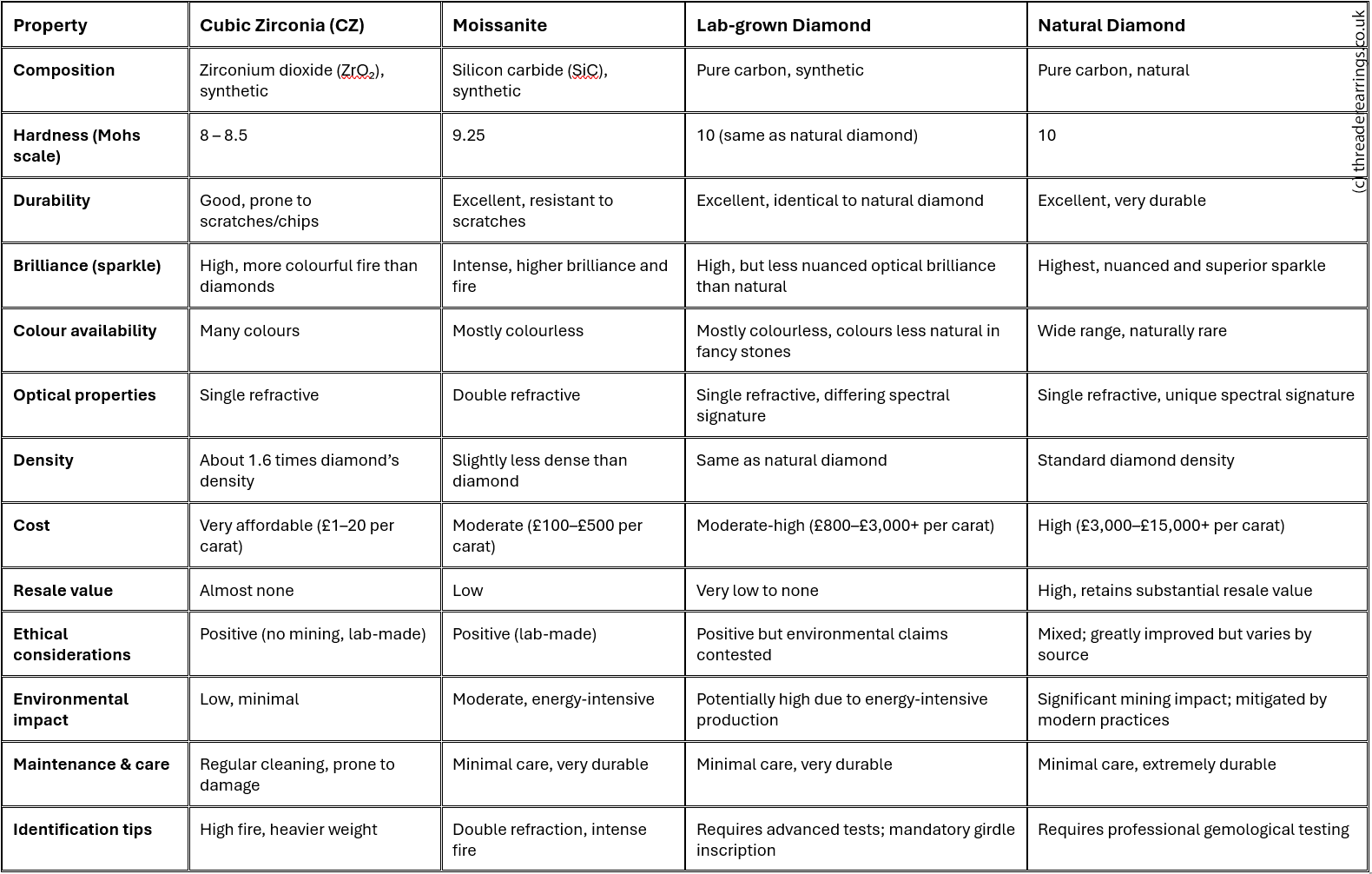
Comparison table
Here is a comparison table showing the differences between Cubic Zirconia, moissanite, lab-grown diamonds and natural diamonds.
Caring for cubic zirconia jewellery
One of the advantages of cubic zirconia is that it doesn’t require especially complicated care – but to keep it looking its best, you should treat your CZ jewellery kindly. Here are some tips to maintain the appearance and longevity of cubic zirconia pieces:
Regular cleaning:
Oils from your skin, lotions, and everyday grime can collect on cubic zirconia and make it look dull over time. To keep your CZ stones sparkling, clean them regularly. The safest method is to use warm water with a mild dish soap. Soak the jewellery for a few minutes, then gently scrub around the stone with a soft brush (an old soft toothbrush works well) to remove any dirt from the facets and crevices. This will restore the stone’s brilliance by clearing away the film that can dim its shine.
Rinse and dry thoroughly:
After washing, rinse the jewellery in clean water to remove any soapy residue. It’s important to dry it completely using a soft, lint-free cloth. Soap residue or water spots can create a filmy appearance on the CZ. By drying and polishing the stone gently with a cloth, you ensure no streaks are left that might interfere with its sparkle. (Microfibre cloths, like those for glasses, are great for this.)
Avoid harsh chemicals:
While cubic zirconia itself is relatively hard and chemical-stable, the metal settings or any coatings on the jewellery might not be. It’s best to remove CZ jewellery before using household cleaners, swimming in a chlorinated pool, or applying beauty products like hairspray, perfume, or hand sanitiser. Strong chemicals and solvents can strip metal plating, discolour metals, or leave residues on the stone. For example, chlorine can slowly pit or discolour sterling silver or lower karat gold alloys, and it could also dull any cubic zirconia facets over time by depositing film.
Store jewellery safely:
Even though CZ is quite hard, it’s wise to store cubic zirconia pieces separately from other jewellery, especially pieces with diamonds or other very hard stones. Diamonds can scratch a CZ if they rub against each other in a drawer or jewellery box. To prevent scratches, keep each piece in a soft pouch or in its own compartment of a jewellery box. This also protects the metal setting from getting tangled or scratched. Storing jewellery away from direct sunlight and excessive heat is also a good practice (prolonged sunlight won’t damage CZ, but it can fade other gems or cause certain plastic components to degrade, and heat could affect any adhesives in very inexpensive costume pieces).
Remove during rough activities:
If you’re doing something laborious or high-impact (gardening, lifting weights, moving furniture, etc.), it’s a good idea to take off rings or bracelets with CZ stones. Cubic zirconia can chip or abrade if you accidentally hit it against a hard surface with force. Also, the prongs or settings holding the CZ could bend or loosen with a hard knock. By removing your jewellery during such activities, you reduce the risk of damaging it. Similarly, try to avoid knocking your CZ ring against metal handles or granite countertops – these everyday impacts can add up.
Check settings and fittings:
Periodically inspect your CZ jewellery to make sure the stones are secure. Prongs can sometimes loosen (especially in rings that are worn daily or if they’re made of softer metals like 9ct gold or silver). If you notice a prong is catching on fabric or a stone seems to rattle, bring it to a jeweller for tightening. It’s much better to preemptively tighten a setting than to lose a stone. The good news is that even if a CZ were lost, replacing it is relatively inexpensive compared to a diamond – but you may have sentimental attachment to the piece, so best not to lose anything at all.
With these care tips, your cubic zirconia jewellery will stay bright and beautiful. Many people find that with periodic cleaning, their CZ stones maintain an almost diamond-like sparkle for a long time. And if a CZ does become scratched or cloudy after years of wear, remember that one of the benefits of its low cost is that the stone can be replaced by a jeweller at far less expense than replacing or repolishing a damaged diamond would be.
Avoiding misleading marketing
Cubic zirconia is widely used and usually sold for what it is – if you walk into a shop or browse online, most retailers will label CZ jewellery as such. However, misunderstandings can arise from confusing terminology or even deliberate marketing tricks. Additionally, as a buyer, you might want to be able to tell if a stone is CZ or something else, especially to avoid paying diamond prices for an imitation. Here’s how to identify a cubic zirconia and steer clear of common marketing traps:
Know the visual clues:
Cubic zirconia that is used in jewellery is typically perfectly transparent and flawless. If you see a large, clear stone with absolutely no inclusions under a loupe and it’s completely colourless, be aware it could be CZ. Diamonds usually have tiny imperfections or slight colour tones unless they are top-tier (and those command very high prices). Also, observe the stone’s “fire” (rainbow flashes). CZ often has more prismatic fire than a real diamond. In natural light or under a jeweller’s lamp, a CZ might throw more rainbow colours, whereas a diamond’s sparkle is often described as more white or steely with some coloured flashes. While these differences are subtle, an experienced observer can often recognise CZ vs diamond by eye thanks to the combination of flawlessness and that tell-tale colourful scintillation.
Check the weight of the stone:
If you happen to have a loose stone or a piece of jewellery you can compare, note that cubic zirconia is much denser than diamond. For example, a one-carat diamond (about 6.5 mm round) weighs 200 milligrams. A cubic zirconia of the exact same dimensions will weigh around 1.7 carats. In hand, a CZ will feel heavier than an equivalent diamond. Jewellers sometimes use sensitive scales and heavy liquids to test a stone’s specific gravity as one identification method. In a simple at-home sense, if you had two similar-sized stones and one feels noticeably heavier, the heavier is likely CZ (or another simulant) rather than diamond. Though this test isn’t practical in most casual scenarios, it’s good to know as one of the defining differences.
Do the fog test:
A quick trick to differentiate diamond from some imitations is the fog test. Breathe gently on the stone as if you were fogging a mirror. If it’s a real diamond, the fog (condensation) will dissipate almost instantly from its surface. Cubic zirconia will tend to stay fogged for a few seconds because it doesn’t conduct heat away as quickly. This isn’t a foolproof test (temperature and cleanliness of the stone can affect results, and moissanite can also disperse heat well since it’s fairly conductive), but it’s a handy tip: diamonds clear up faster, CZ holds the fog longer. If a stone consistently fogs up and clears slowly, it’s likely not a diamond.
Use a diamond tester or other instruments:
Most jewellery stores or pawn shops have handheld diamond tester devices. These typically work by testing thermal conductivity. As noted, diamond conducts heat extremely well, so a diamond tester will light up or beep for diamond, but remain inactive for an electrical insulator like CZ. (Be cautious: traditional diamond testers can mistake moissanite for diamond because moissanite also conducts heat well. Newer testers have multiple modes or use electrical conductivity to distinguish moissanite too.) There are also devices that measure reflectivity or other properties. If you really need to be sure, have a certified gemologist examine the stone – they will use professional tools like microscopes, refractometers, or spectrometers to conclusively identify a CZ. For everyday purposes, the average buyer might not go to these lengths for identification, but it’s useful to know that professional verification is available. For example, if you inherited a piece and aren’t sure if those are diamonds or CZ, a jeweller can quickly tell you.
The video above shows one way of detecting diamonds, using a diamond detector.
Be clear on terminology:
One common area of confusion is the word “diamond” in product descriptions. Legally and ethically, if a product is sold as a “diamond” it must be a natural diamond. If it’s not actually a carbon diamond, sellers use terms like simulated, imitation, or lookalike. “Simulated diamond” almost always means a non-diamond material made to look like diamond – frequently cubic zirconia (or sometimes moissanite, or even plain glass). If you see phrases like “lab-created diamond simulant” or “synthetic diamond (simulant)”, you are likely dealing with cubic zirconia. These phrases are a bit misleading, because “lab-created diamond” by itself should refer to a real diamond grown in a lab (which has the same composition as a mined diamond). Unscrupulous marketing might sneakily add “simulant” or use the term “synthetic diamond” incorrectly. Remember: a synthetic diamond is a real diamond (just lab-grown, not natural – see above for the differences), whereas simulated diamond is not a diamond at all. Always read the product details carefully. Reputable jewellers will label cubic zirconia plainly as cubic zirconia or CZ. If you see only the word “diamond” and the price is too low, question it – it might be an imitation.
Beware of fancy names:
Cubic zirconia has been around long enough that various brand names and colloquial names exist. For instance, you might encounter “American Diamond” in some markets (especially in parts of Asia) – this term actually refers to cubic zirconia, playing off the sparkle but it’s not a real diamond. “Russian diamond” is another phrase that has been used, historically referring to high-quality CZ (since the Soviets first made it and early CZ was sometimes called “Russian stone”). If you see a jewellery description like “features a Russian brilliant cut stone”, they might be avoiding saying CZ. Brand names like Diamonique, Zirconia by Swarovski, Signity Star, etc., are all essentially high-grade cubic zirconia. These branded CZ stones might have slightly better cutting or polishing, but they are not different minerals – just CZ. The key takeaway is: don’t be misled by exotic names. If it’s not clearly stated as a natural or lab-grown diamond (with a corresponding price tag to match), assume it’s an imitation. Zircon (without “cubic”) is, as mentioned, a completely different natural gem – so a seller who calls a CZ just “zircon” is either mistaken or misusing the term. True zircon is not as cheap as CZ and has its own qualities.
Rely on reputable jewellers and documentation:
The best way to avoid being duped is to buy from trusted sources. If you’re purchasing a diamond, insist on a certification from a gemological lab (such as GIA, IGI, etc.) – those labs will not certify a stone as diamond if it’s actually CZ or moissanite. If you’re buying online, read reviews and check if the site discloses the materials clearly. When buying cubic zirconia jewellery, the product listing should state cubic zirconia/CZ stones. If it simply says something like “sparkling stones” or uses only a trademarked name you don’t recognise, do a bit more digging. And of course, consider the price: if a ring with a “2 carat diamond” is being sold for £100, alarm bells should ring – that’s almost certainly not a real diamond at that price. It could very well be a CZ being passed off in the description with a misleading label. Trust your instincts; if it looks too good to be true, it probably is.
In summary, understanding how to identify cubic zirconia protects you as a buyer. Fortunately, most sellers are honest when selling CZ jewellery (proudly advertising it as CZ, in fact, because many customers specifically want it). The main issues arise when less scrupulous vendors try to present CZ or other simulants as something more valuable. By knowing the signs and doing a bit of due diligence, you can enjoy your jewellery – whether it’s CZ, diamond, or anything else – with confidence that you got exactly what you wanted.
Ethical and environmental considerations
One of the compelling reasons many people choose cubic zirconia (aside from cost) is the ethical and environmental angle. Here we delve a bit deeper into how CZ compares to natural gemstones on these fronts:
Ethical sourcing:
Natural gemstones, diamonds in particular, have a complex supply chain. Traditional diamond mining has at times been linked with severe ethical issues – most infamously, conflict diamonds which funded violence and exploited miners in war-torn regions. Even outside of conflict zones, mining can involve harsh conditions: low wages, child labour in some regions, unsafe working environments, and displacement of local communities. In contrast, cubic zirconia is produced in laboratories and factories, often in industrialised settings with regulated labour conditions. There is no violent conflict tied to CZ production. Workers involved in CZ manufacturing are generally skilled technicians and engineers rather than miners working in dangerous conditions. This makes CZ an ethically appealing choice. It allows consumers to wear a brilliant, diamond-like stone with the peace of mind that no one was harmed or exploited in obtaining it. Furthermore, because CZ is so inexpensive, there’s no criminal black market for it – you won’t find stories of CZ smuggling or cartel control as you might with diamonds or certain rare gems. The same largely goes for moissanite and lab-grown diamonds: they are also ethically produced in labs. However, lab-grown diamonds are identical to mined diamonds in composition and can sometimes be mixed into the supply chain – which is a different issue (for instance, verifying what is truly lab vs mined). With CZ, there’s never any confusion: it’s a deliberately synthetic product and proudly so.
Environmental impact:
The environmental footprint of gemstone mining can be significant. Diamond mining, for example, often involves removing tons of earth to extract a single carat of diamond. Open-pit diamond mines can be gigantic scars on the landscape (some are visible from space), altering local ecosystems, consuming vast amounts of water, and generating a lot of mineral waste. Even when mines are exhausted, restoring those sites is a huge challenge. Other gems like gold (often set with diamonds) similarly have environmentally intensive extraction processes that can lead to deforestation and mercury pollution (in gold’s case). By contrast, cubic zirconia’s production has a relatively minor environmental impact. Growing CZ crystals does require high heat (thus energy), but it’s done in a controlled facility. Advances in technology and scale mean CZ can be produced with less energy per stone than you might expect – remember, it’s made so cheaply that it wouldn’t be economical if it required enormous energy inputs. There are no massive excavations, no disruption of biodiversity, and no hazardous chemicals being leaked into rivers from CZ labs. The primary resource used is electricity (plus raw materials which are common and abundant, like zirconium oxide powders and stabilizers). If that electricity comes from a clean source, the footprint is further minimised.
It’s also worth noting that because cubic zirconia is not rare at all, there’s no impetus to over-consume or hoard it. In a strange way, its very abundance and affordability make the jewellery industry around CZ more sustainable – you can create as much as needed on demand. There’s no risk of “depleting” a natural resource or over-mining an area to get more CZ; we can always produce more in the lab as needed.
Of course, manufacturing anything has some impact – lab-grown gems are produced in factories that use resources and emit some CO₂ if their energy isn’t renewable. In the grand scheme, though, a few kilowatt-hours of electricity to create a batch of gemstones is far cleaner than the dynamite blasts, truck fleets, and long supply chains associated with mining and transporting natural gemstones across the world.
Comparison to other ethical alternatives:
Many people who are drawn to cubic zirconia for ethical reasons also consider lab-grown diamonds or moissanite. Lab-grown diamonds offer the exact composition of diamond without mining, but growing diamonds (via high-pressure high-temperature presses or chemical vapour deposition reactors) is energy-intensive and the products are still expensive (though usually somewhat cheaper than mined diamonds). Moissanite, as discussed, is lab-grown too and a very eco-friendly option; its production is more complex than CZ’s but still avoids mining. Cubic zirconia stands out by combining ethical production with extreme affordability. It democratises the look of luxury. For someone who loves the aesthetic of diamonds but objects to the mining or cannot afford a large natural diamond, CZ is a solution that aligns with their values and budget.
Sustainable consumption:
Another perspective is that because cubic zirconia is so affordable, it allows people to enjoy jewellery without the psychological burden of “should I be spending this much on a gem?” or worrying about insurance, theft, etc. In an age where sustainable and conscious consumption is encouraged, some choose CZ as part of a minimalist or practical approach: you can have the sparkle and fun without tying up a lot of resources or money. If a CZ piece is lost or broken, it’s not the tragic loss that a family diamond might be – which for some is a relief and means they actually wear their jewellery more often rather than keeping it locked away. That said, the very cheapness of CZ could encourage a throwaway mindset (fast fashion jewellery), which isn’t ideal either; but good quality CZ jewellery can last and be enjoyed for a long time, so it doesn’t have to be disposable.
In summary, cubic zirconia offers a clean conscience in the realms of ethics and environment. It bypasses the thorny issues of mining and emerges from a process that’s fundamentally sustainable (producing gems on demand, as needed). For many jewellery lovers today, especially the younger generation, these factors make CZ and other lab-created gems very attractive. You can sparkle just as brightly, without digging up the earth or worrying about whom your money might be supporting down the supply chain. It’s sparkle with peace of mind – and that is a beautiful thing.
Conclusion
Cubic zirconia has earned its place in the jewellery world as a brilliant, affordable, and ethical gemstone alternative. For buyers, it offers an accessible way to enjoy the look of a dazzling gem without the prohibitive cost of a diamond. As we’ve explored, CZ’s scientific qualities (its composition and structure) give it impressive sparkle – nearly rivaling that of diamond in appearance – while its man-made origin means it comes free of the baggage of mining and at a fraction of the price.
Of course, cubic zirconia is not identical to a diamond or other natural gems in terms of hardness or prestige. It may not become a family heirloom that appreciates in value, and over time it might show signs of wear. But with good care, a CZ piece can remain stunning for many years, and the ability to replace a stone easily is a nice safety net. Many people happily choose CZ for travel jewellery or for larger fashion pieces, saving their money for other priorities, all the while enjoying big sparkle on a small budget.
In making your jewellery decisions, it ultimately comes down to what you value. If you value beauty and brilliance without high cost, cubic zirconia is a fantastic option. If you prioritise hardness and tradition, a diamond (natural or lab-grown) or moissanite might be your choice for an engagement ring or daily wear piece. The good news is that today’s jewellery market is rich with options: you aren’t limited to one “right” stone. Cubic zirconia has shed much of the stigma it once had as “fake diamond” and is now appreciated as a gem material in its own right – versatile, attractive, and honestly represented. Whether set in a humble silver pendant or a lavish-looking tiara, CZ brings joy and glamour to the wearer.
By understanding what cubic zirconia is and how to care for it, and by being an informed consumer about the differences between gems, you can confidently add CZ to your collection and wear it with pride. After all, the true value of jewellery is how much you enjoy it, and if a £50 cubic zirconia ring brings you as much happiness and sparkle as a £5,000 diamond, that is value indeed. Enjoy your jewellery journey, whatever stones you choose, and let cubic zirconia add a little extra shine to it!